

The Gap Between Group Work and Actual Collaboration
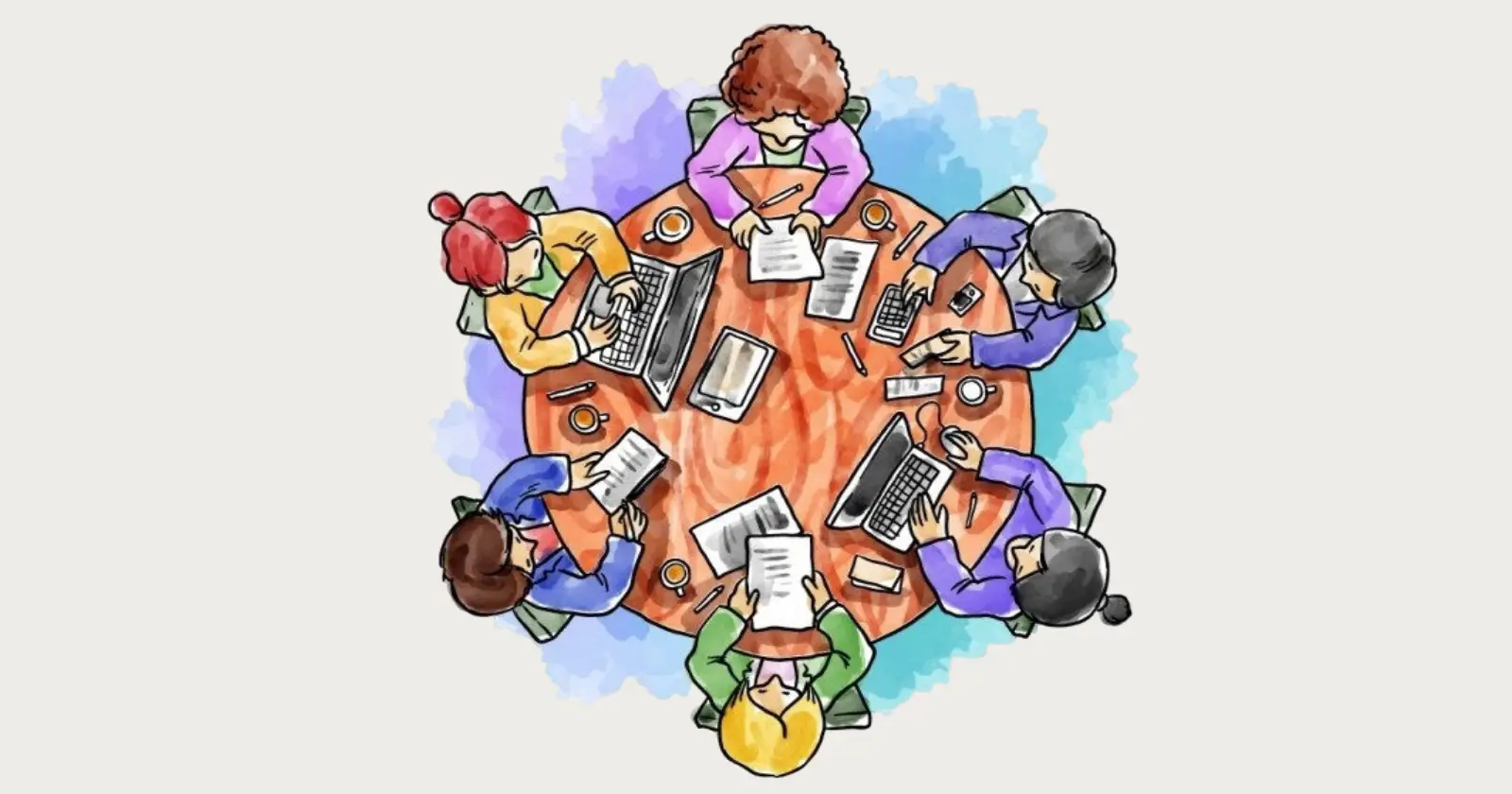
Most people assume that putting students into groups automatically produces teamwork. Hand out a worksheet, assign four kids to a table, call it a group project, and the thinking skills will presumably follow on their own. That assumption shows up in lesson plans everywhere, and it explains why so many so-called collaborative assignments end with one student doing the work while three others watch or scroll on their phones.
The truth is that collaboration is a skill, not a seating arrangement. Students need practice listening to competing ideas, negotiating roles, and making decisions when nobody in the group has the full answer. Without a structure that forces those moments to happen, group work tends to default to whoever is most comfortable taking charge, which leaves quieter students disengaged and teachers without a clear sense of who actually learned anything.
Teachers often notice this disconnect during grading, when a single project grade fails to reflect wildly different levels of effort and understanding among teammates. By the time that gap becomes obvious, the learning opportunity has already passed. The problem is not that students dislike working together. It is that most classroom tasks are not actually built to require it.
Designing Tasks That Depend on Every Voice in the Room
The fix starts with redesigning the task itself rather than tweaking the group size or adding a rubric. Real collaboration happens when no single student can finish the work alone, either because the information is split up, the roles demand different expertise, or the decisions require input from multiple perspectives before anyone can move forward. This kind of interdependence changes the dynamic almost immediately, because students who might otherwise stay silent now hold a piece of the puzzle that the group genuinely needs.
This is the thinking behind platforms built around collaborative lessons for teachers, which give teachers ready-made scenarios where students take on distinct roles and have to pool their findings to solve a shared problem. Instead of hoping that four kids figure out how to divide a worksheet fairly, the structure itself assigns responsibility and creates natural checkpoints for discussion. Teachers report that even students who usually hang back in group settings start contributing once they realize their specific role matters to the outcome.
None of this means teachers need to abandon flexibility in the classroom. A well-designed collaborative task still leaves room for students to argue, backtrack, and revise their thinking as a group, which is exactly where the deeper learning tends to happen. The structure is there to guide the process, not to script every interaction. What changes is that the burden of making collaboration work no longer rests entirely on classroom management in the moment.
Questions Worth Asking Before Committing to a New Format
Not every collaborative framework fits every classroom, and teachers considering a shift should look closely at how much setup time a given approach demands before the first class even begins. A tool that requires hours of prep work for a single forty-minute activity will not survive a busy semester, no matter how well designed the underlying pedagogy might be. It helps to ask whether the materials are reusable across units or whether each new topic requires starting from scratch.
Another factor worth weighing is how the approach handles uneven participation, since that was the original problem driving the search for something better. Some formats build in built-in roles or checkpoints that make it difficult for one student to carry the entire group, while others rely heavily on teacher monitoring to catch imbalance after it has already happened. Checking whether a program offers visibility into individual contributions, not just a single group score, can save a lot of frustration later when grading time arrives.
Finally, teachers should consider how the format scales across subjects and grade levels they actually teach, rather than assuming a tool built for one context will transfer cleanly to another. A science simulation built around data collection may not translate well to a literature discussion, and that mismatch becomes obvious fast if adopted without testing. Talking to colleagues who have already tried a given approach, or piloting it with a single class before rolling it out school-wide, tends to reveal these practical limits long before they become a bigger problem.
Read Also – Bonafide Certificate – Meaning, Format, Uses & Application Process
